
Sound is
learned,
not guessed.
Practical masterclasses for people who want to understand what they're hearing - and control what comes out of the speakers.

Time, attention, and a decent pair of ears
These sessions are hands-on, not passive. You'll spend most of your time listening, adjusting, and listening again.
Format: Each masterclass runs across four online sessions, roughly two hours each. You work at your own pace between sessions, but the live segments require your full presence - no recordings sent out afterward.
Equipment: A laptop, a USB audio interface, and studio headphones cover the basics. You don't need a professional studio setup to follow along, but you do need to hear what you're doing clearly.

All four sessions included in a single enrolment. No upsells, no module unlocks. You get the full programme from day one.
Groups stay under 12 participants. Smaller groups mean the instructor can actually hear what you're struggling with and respond in real time.
Sessions are scheduled across weekday evenings and Saturday mornings, so you're not choosing between the class and your day job.

Getting stuck is part of the process
Live sound has a steep learning curve. Some things click immediately. Others take several attempts before they make sense - and that's expected. Between sessions, participants can send questions directly and get a response before the next meeting. Nobody is left waiting a week with a problem they can't move past.
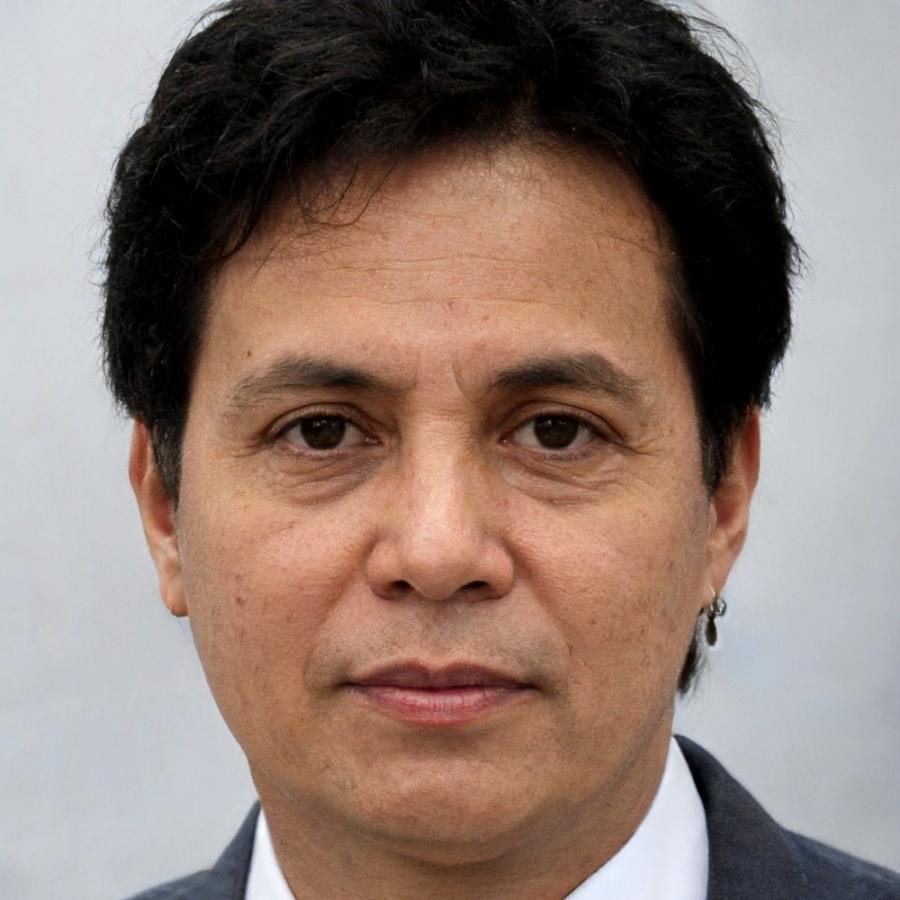
Lead instructor
Questions submitted by message, answered before the next session. No forums, no waiting in a queue.
Short reference clips of the most technically dense segments are shared after each session - not a full recording, but enough to revisit a specific technique.
Participants share a group channel for the duration of the programme. Comparing notes with people in the same session often resolves things faster than waiting for an instructor reply.
What nine years of running sessions looks like
These figures come from completed programmes, not projections. They describe what has happened, not what we expect will happen for you.
Participants who completed the full programme since the first cohort. Not everyone who enrolled - everyone who finished.
Average rating across all completed cohorts, based on post-programme feedback forms.
Total live instruction per cohort, spread across four sessions. Focused, not padded.